Share Paul Morris's obituary with others.
Invite friends and family to read the obituary and add memories.
Stay updated
We'll notify you when service details or new memories are added.
You're now following this obituary
We'll email you when there are updates.
Select your format and elements to print

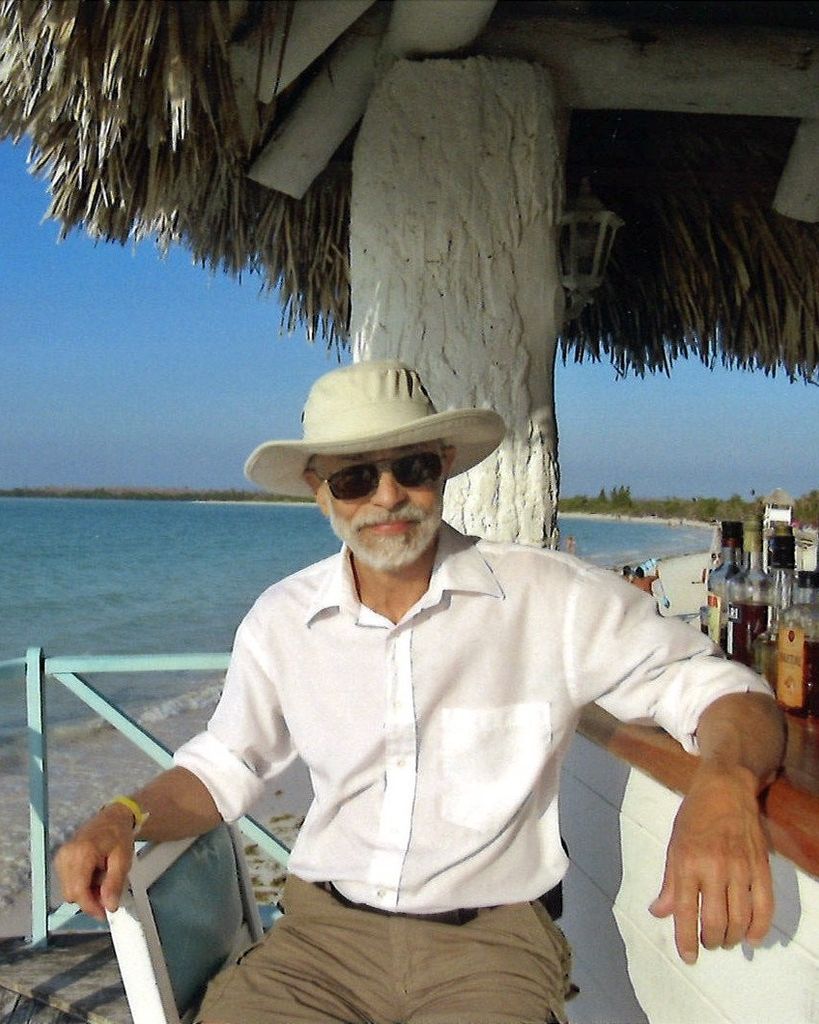


Paul Morris
Aug 4, 1957 — Jun 17, 2026
Born in Carshalton, U.K., to Real Estate Negotiators Thirza and Peter Morris, Paul showed strong character from the start. A photograph of him at about eight months, as he stares out from a high pram, toque on head, shows a look of stern disapproval: it was an early Spring day in England. At school he did well in science, English and art. Amphibians and reptiles fascinated him, most especially newts. When as a teenager his interest extended to plants, he gradually took over care of the family’s back garden.
His secondary school adopted Nuffield science curriculum, designed to foster in students “guided discovery of natural laws”. This sparked a desire in Paul to work things out for himself. He gained a BSc in Applied Biology and a PhD in Wood Pathology, both from Imperial College, University of London. The PhD thesis title “Controlling internal decay of inadequately creosoted utility poles” does not immediately suggest that he tested the hypothesis some wood rot can be managed using biological control. The result, in case you are curious: it cannot. Either way, Paul seemed headed for a working life centred around preservation of wood in service.
While investigating decay in railway ties as a post doc., Paul was invited to apply for, or as he put it, “head hunted”, for a permanent research post at Forintek, formerly the Canadian Forest Products Western Laboratory. In June 1986 he left England with wife Rae and joined the department called, at that time, Durability and Protection. Apart from serving on treatment standards committees and helping to organise an international conference, he also co-supervised several UBC PhD students. In the wake of Vancouver’s leaky condominium woes, he helped to develop and champion durability by design guidelines, which include “rain screen” technology, now a key part of B.C.’s building code. His experimental work focused on wood treatability and involved lab trials and long-term field trials of naturally durable species and wood preservatives. His work led to a deeper understanding of the science behind wood protection and data from his studies has been used to support the standardisation and market acceptance of most of the wood preservative systems used in Canada today. He enthusiastically promoted wood frame construction using mass timber, for instance in buildings of up to six stories. He was not so positive about wood-plastic composite as it was less strong than the solid wood it was intended to replace, and, contrary to certain advertising, prone to decay. By the time he retired in August 2017, Forintek had become FPInnovations, and Paul research group leader: more administration, less “hands on” research, less job satisfaction.
Retirement allowed ample time for hiking, wilderness back-packing, telemark skiing and kayaking. Closer to home he was into homebrewing with an emphasis on tasty but low alcohol ales and horticulture in a small vegetable plot and a “deep shade” garden. So keen was he on nurturing plants that he took on the maintenance of his building’s landscaping. It should be noted that this condominium is an André Molnar masterpiece with many odd features. Having lived here since 1990, serving on the strata council for about 33 years, Paul became knowledgeable concerning its upkeep and aware of most of its design quirks. Along with his understanding of decay problems in wood frame construction this familiarity made him an invaluable resource for council members and other residents.
In July 2025 his recreational activities were seriously curtailed by muscle tears from falls skiing and a DIY related mishap plus an increasingly painful digestive problem. Numerous tests, images, treatments and drugs did not result in effective pain control and resolution of whatever caused his chronic pain and alarming weight loss. By June 2026 he was convinced that side effects of certain medications had made the situation worse. He fainted several times towards the end and died in his garden on the 17th.
Paul’s death at 68 was shocking, particularly as he had been in excellent health at 67. There is, however, some comfort to be taken knowing he is free of pain and that his final minutes were spent in lovely surroundings.
He is survived by his wife of 47 years – if you include cohabitation – his mother, almost 100, and sister Julia. Paul specified “no funeral”. Instead, he called for a wake to be held in a location with ample choice of craft beer. An ornamental shrub is to be planted in his memory, somewhere in the landscaping he helped maintain. While Rae does love flowers, she suggests that anyone who might wish to could make a small donation to a Paul-approved environmental charity, The Nature Conservancy of Canada.
Guestbook
Visits: 6
This site is protected by reCAPTCHA and the
Google Privacy Policy and Terms of Service apply.
Service map data © OpenStreetMap contributors